
The Benefits of Keeping Indoor Plants and Tips for Caring for Them Effectively
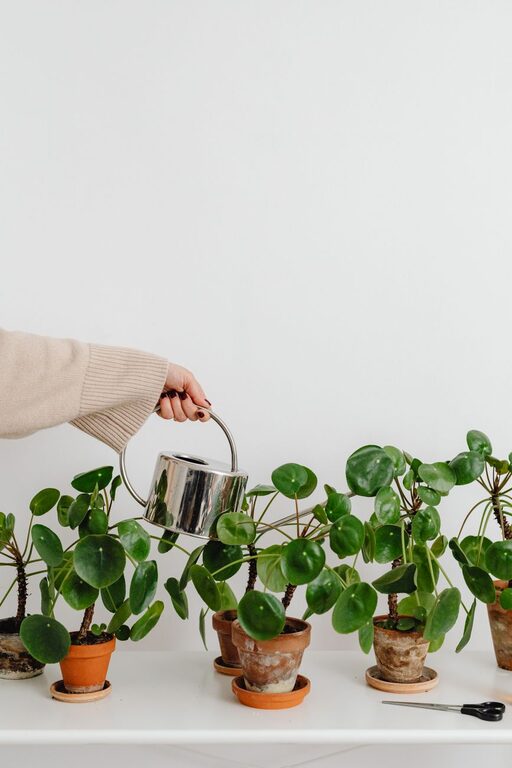
Bringing plants into your living or working space is more than just a decorative choice. Indoor plants can enhance your environment in numerous ways, boosting both your mood and well-being. Plus, with the right care, they can thrive and bring lasting beauty to your home.
In this post, we’ll explore the benefits of keeping indoor plants and share practical tips to help you care for them effectively.
The Benefits of Keeping Indoor Plants
1. Improve Air Quality
Indoor plants can help purify the air by removing toxins and releasing oxygen. Some species, like spider plants and peace lilies, are particularly effective at filtering harmful substances.
2. Boost Mood and Reduce Stress
Interacting with plants has been shown to reduce stress and increase feelings of relaxation. The presence of greenery can lift your mood and promote a calm environment.
3. Increase Humidity
Plants release moisture into the air through a process called transpiration. This can help improve air humidity, which is especially beneficial during dry months and can ease respiratory issues.
4. Enhance Home and Office Decor
Indoor plants add natural beauty and texture to any space. They complement interior design and create a welcoming atmosphere.
5. Encourage Mindfulness and Responsibility
Caring for plants encourages routine and attentiveness, fostering mindfulness. Watching a plant grow can also be gratifying and inspire creativity.
Tips for Caring for Indoor Plants Effectively
1. Choose the Right Plants for Your Space
Consider the amount of natural light your room receives before selecting plants. For low light, options like snake plants or pothos work well, while succulents and cacti thrive in bright, direct sunlight.
2. Understand Watering Needs
Overwatering is a common mistake. Most indoor plants prefer to dry out slightly between waterings. Check the soil moisture by touch before watering.
3. Use Suitable Soil and Pots
Use well-draining potting mix designed for indoor plants. Ensure your pots have drainage holes to avoid waterlogging roots.
4. Provide Adequate Light
Place plants where they can receive appropriate natural light, or use grow lights if needed. Rotate pots regularly to ensure even growth.
5. Monitor and Maintain Humidity
Many indoor plants prefer moderate humidity. You can increase humidity by misting leaves, grouping plants together, or using a humidifier.
6. Fertilise Regularly but Moderately
Use a balanced, water-soluble fertiliser every few weeks during the growing season. Avoid over-fertilising, which can harm plants.
7. Keep an Eye Out for Pests
Inspect your plants regularly for signs of pests like spider mites or aphids. Treat infestations promptly with natural remedies or insecticidal soap.
8. Prune and Groom
Remove dead or yellowing leaves to maintain plant health and appearance. Pruning can also encourage bushier growth.
Common Indoor Plants for Beginners
– Spider Plant (Chlorophytum comosum): Tolerates low light and irregular watering.
– Snake Plant (Sansevieria): Very hardy, thrives in various light and watering conditions.
– Peace Lily (Spathiphyllum): Beautiful white flowers, improves air quality.
– Pothos (Epipremnum aureum): Fast-growing vine, adapts well to different environments.
– Succulents (various species): Require bright light and minimal watering.
Final Thoughts
Keeping indoor plants is a rewarding hobby that improves your living space and well-being. By choosing the right plants and following simple care tips, you can create a flourishing indoor garden that brings colour and life all year round.
Remember, every plant is different, so don’t be discouraged if a particular species doesn’t do well initially. With patience and observation, you’ll soon find the perfect green companions for your home.